


Recent news coverage has once again surfaced, claiming that Noah’s Ark has finally been found. While I would personally love for such a monumental discovery to be true, we must approach these claims with careful discernment. The simple truth is that this latest finding simply does not align with the specific descriptions provided in the biblical text. Furthermore, this exact version of “Noah’s Ark” is not a new discovery at all—it has been found, promoted, and ignored before. If it were the real deal, it seems it would have caught on already as the most important archeological discovery of all time.
Already Discovered
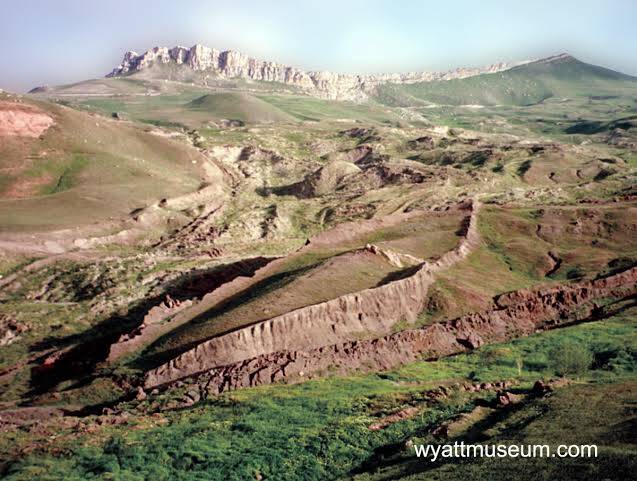
The site near Mount Ararat, widely publicized as the location of Noah’s Ark, is not a recent discovery. Amateur archaeologist Ron Wyatt promoted this same formation throughout the 1970s and 1980s. His claims—including alleged underground “rooms” and “petrified timber”—were heavily publicized for decades, yet they never produced verifiable, peer-reviewed archaeological evidence. Geological analyses from reputable experts have consistently identified the site as a natural syncline: a geological formation in which rock layers fold and, through erosion and mudflow activity, create a boat-like shape. In other words, the formation is best explained by natural processes rather than human construction.
I do not simply take a scientist’s word for it when it comes to the Bible. Many scientists approach biblical claims from a perspective that is skeptical of God’s existence and the historical accuracy of Scripture. However, this is one area in which the geological evidence speaks for itself. Even if we were to grant that some kind of structure lies beneath the soil, the leap from “buried man-made structure” to “Noah’s Ark” is enormous. This recent group of researchers claims that three decks and man-made rooms lie beneath the dirt. Ron Wyatt made remarkably similar claims in 1980. Let's not get our hopes up until they actually get below the surface and produce something tangible.

Add comment
Comments